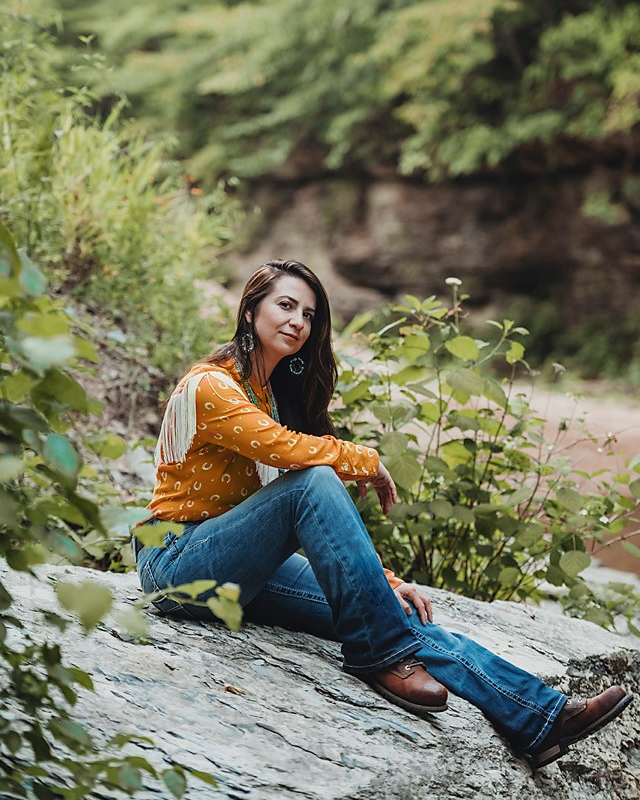
I’m Krystle — Farm Manager at Crooked Limb Farm — managing this land in a way that is both wild and rooted, grounded in daily practice and long-view care.
I farm on a ridge in Tennessee, west of Nashville just past the county line, where Crooked Limb Farm has taken shape slowly over time. What began with a few fruit trees and a desire to live closer to the land has grown into a regenerative farm guided by patience, attention, and long horizons. The work here follows seasons, weather, soil, and the lives already moving through this place.
This blog exists as a place to write from inside that work.
Wild & Rooted isn’t meant to teach or convince. It’s a record of lived experience—daily farm life, small shifts, mistakes, waiting, joy, fatigue, uncertainty, and the emotional weight of choosing a slower way forward. Some days the work is visible. Other days it’s quiet and internal. Both matter.
Slow farming, as I practice it, is less about technique and more about posture. It means letting time participate. It means paying attention instead of forcing outcomes. It means choosing relationship over efficiency and long-term health over short-term gain. It also means accepting that progress isn’t always obvious, and growth rarely happens in straight lines.
Alongside stories from the land, you’ll also find trusted recommendations for tools, products, and supplies we actually use here on the farm, as well as the practices behind how and why we farm this way. Sharing these is part of documenting what works, what doesn’t, and what aligns with our values.
Readers who feel connected to this work can engage more directly, too. Supporting regenerative agriculture and pollinator habitat here can look like purchasing from our farm shop or donating to the work. You may notice donation links woven into blog posts—not as pressure, but as an open door for those who feel moved, compelled, or nourished by what they find here.
Nothing polished. Nothing rushed. Just life as it’s lived on a regenerative farm in Tennessee, shaped by seasons, land, animals, weather, and repetition, and rooted in a commitment to slow farming.
If you’ve found your way here, you’re welcome to stay as long as you like.